

- Published
- Published 24 May 2026
- Reviewed
- Reviewed 31 May 2026
- Reading time
- 4 min read
- Sources
- 3 sources
Index
- Quick Answer
- The Story In Brief
- What Devotees Learn From It
- Festival And Practice Connections
- How To Share This With Children
- How Adults Can Reflect On It
- Puja Room Connection
- Festival Reading Note
- Source Caveat
- FAQ
- Is this the only version of the story?
- Can this story be used for family learning?
- Which practice should I connect it with?
The Ganga Descent story is remembered because it gives devotees a way to think about faith, courage, humility, protection, and divine grace. This answer retells the story in a concise family-friendly way and then explains how it connects to puja, festivals, and daily practice.
Quick Answer
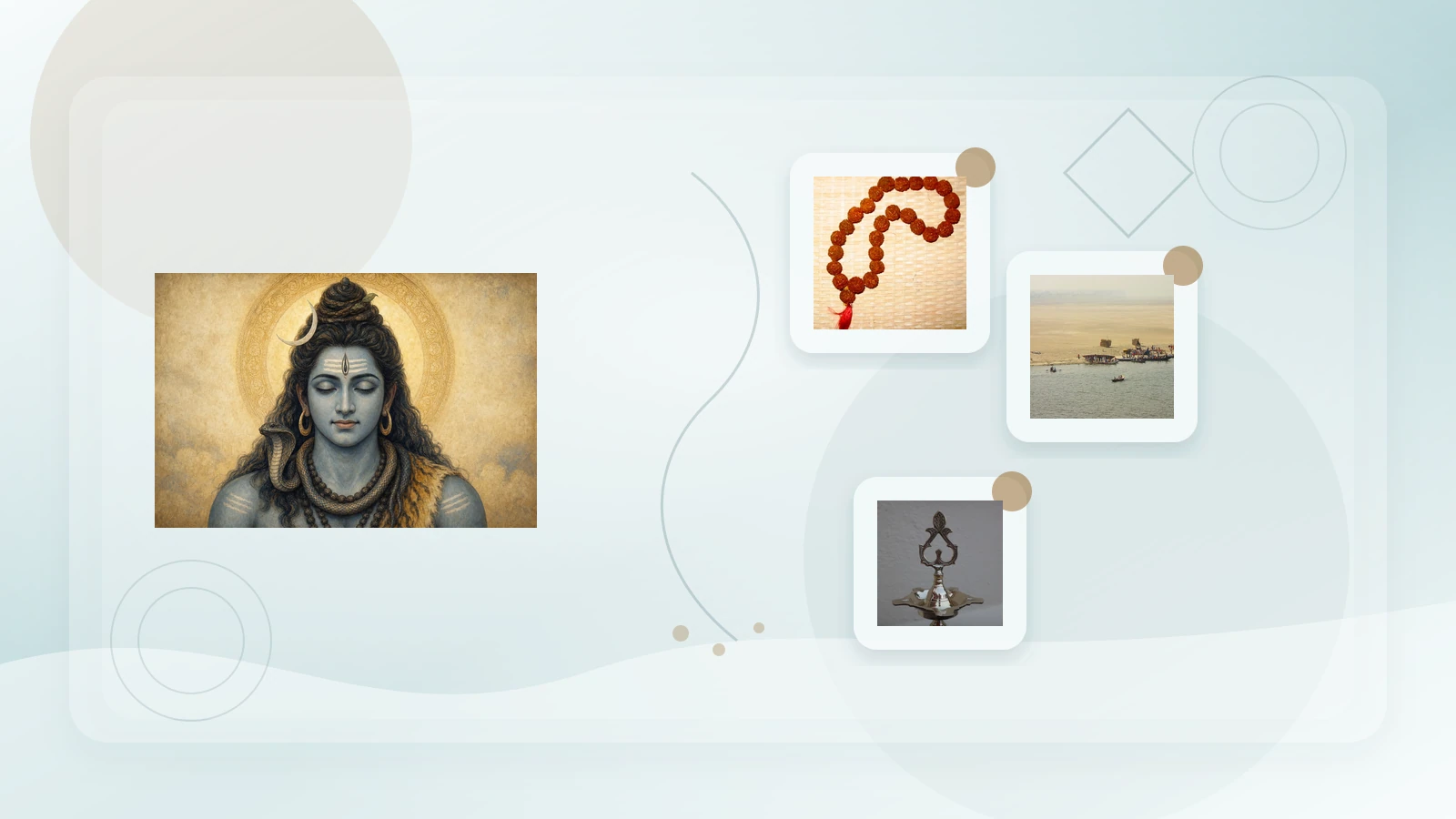
The Ganga descent story remembers Bhagiratha’s tapasya and Shiva receiving the river in his locks so her force could bless the earth.
This page avoids treating the story as entertainment only. In Hindu homes, stories are often used to teach bhakti, dharma, restraint, gratitude, and trust in the divine. Read it as a learning guide, then connect it to the festival or practice where your family remembers it.
The Story In Brief
King Bhagiratha performs intense tapasya so that Ganga may descend and liberate his ancestors. The river’s force is too great for the earth, so Shiva compassionately receives her in his jata and releases her in a gentle flow. The story joins effort, grace, purification, and the sacredness of rivers.
What Devotees Learn From It
- Perseverance: Bhagiratha does not give up when the task is difficult
- Grace and restraint: Shiva shows that power must be held and directed wisely
- Sacred ecology: Ganga is revered not merely as water but as a purifying presence
Festival And Practice Connections
How To Share This With Children
Keep the focus on the value, not on fear or spectacle. Ask children what the main character chose, what pressure they faced, and what quality helped them. Then connect the story to one simple practice: lighting a diya, offering flowers, saying a short mantra, helping at home, or remembering the divine before a difficult task.
How Adults Can Reflect On It
For adults, the story can be read as a mirror. Ask where the same pattern appears in ordinary life: pride, fear, patience, gratitude, protection, discipline, or surrender. A Puranic story is not only about what happened long ago; it is also about how the heart responds now. That is why the same story can be heard every year and still feel new.
One useful family practice is to end the story with one sankalpa. After reading, each person can name one small action: speak gently, keep a promise, feed someone, reduce waste, chant one mala, or prepare for the next festival with less hurry. This turns story listening into living dharma.
Puja Room Connection
If the family has a home altar, keep the connection simple. Offer a flower, light a diya, or chant the deity name connected with the story. Do not overbuild the ritual unless your family tradition already does so. The goal is remembrance. The story should leave the home quieter, kinder, and more grateful.
Festival Reading Note
When this story is connected with a festival, read it before the main rush of cooking, decoration, shopping, or travel begins. A short reading in the morning or the previous evening helps the family remember why the festival matters. If children are present, ask one question instead of giving a lecture: “What quality did this story praise?” That keeps the story alive without making it heavy.
For adults, it can also become a source note. Keep track of whether your family heard the story from a Purana, Ramayana or Mahabharata retelling, temple katha, regional book, or elder. That note prevents arguments over small variations and preserves respect for the living tradition.
If the story is used in a classroom, satsang, or family WhatsApp note, keep the retelling short and clear and careful. Add the practical takeaway in plain language so the reader knows why the story matters today.
Source Caveat
Puranic and Itihasa stories often have regional retellings. The core devotional meaning may stay stable even when details, names, or emphasis differ across texts, katha traditions, temple storytelling, and family narration. If your household follows a particular version, keep that tradition respectfully.
FAQ
Is this the only version of the story?
No. Hindu stories often have multiple retellings. This answer gives a practical devotional summary and keeps room for regional and sampradaya variation.
Can this story be used for family learning?
Yes. Keep the tone gentle, focus on the virtue being taught, and avoid making children memorize details before they understand the meaning.
Which practice should I connect it with?
Connect it with Shiva worship, Ganga remembrance, river respect, and gratitude during puja.