
Composing…
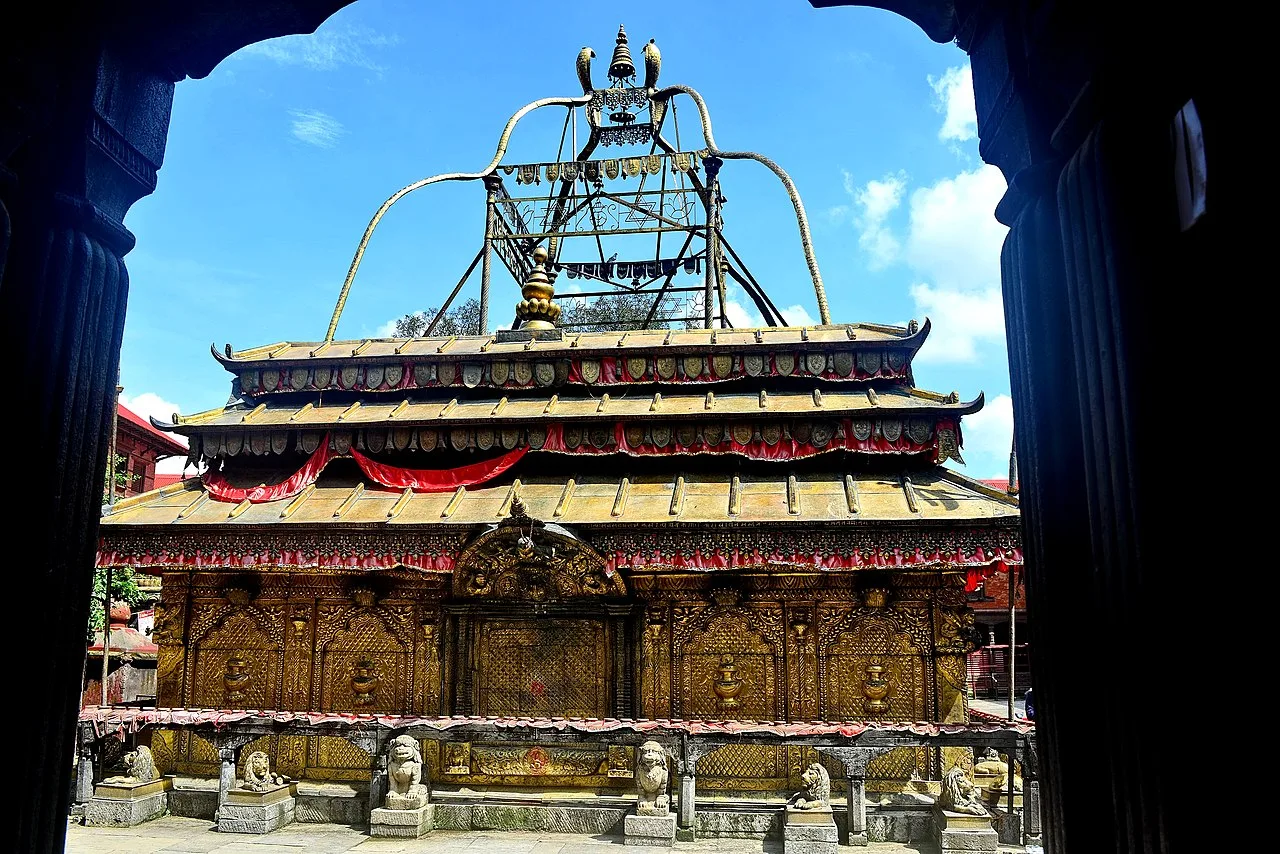
Shakti Peeth
Lalitambika / Guhyeshwari Shakti Peeth (Kathmandu, Nepal)
ललितांबिका / गुह्येश्वरी शक्ति पीठ, काठमांडू
Kathmandu, To Verify
LocationTo Verify
ॐ
Deityshakti tradition
Darshan TimingsTiming updates in progress
EntryFree entry
Before You Go
Practical temple planning
Plan darshan, source checks, and puja help without assuming unofficial bookings or guaranteed access.
Darshan planning
Timing notes available
Timings approximate; the temple follows the Pashupatinath area schedule. Aarti timings correspond with the broader Pashupatinath complex rhythms. Verify locally before visiting.
Official source
Source review needed
This profile uses available directory data; confirm booking and seva details locally before travel.
Temple contact
Contact not confirmed
PujaKit does not claim official temple affiliation; use official/public temple channels where available.

Significance
The Guhyeshwari Temple (Lalitambika Shakti Peeth) is the most important Shakti Peeth within the Nepal side of the 51-peeth circuit. It sits adjacent to the Pashupatinath Temple — the holiest Hindu temple in Nepal and one of the most sacred Shiva sites in the world. The dual presence of the supreme Shiva (Pashupati) and the Shakti (Guhyeshwari) at the same location reflects the foundational Shaiva-Shakta theology: Shiva and Shakti are inseparable; where one is, the other is. The goddess Guhyeshwari is "the Secret Goddess" — the hidden, interior Shakti who is the dynamic power animating the static Shiva of Pashupatinath. Her worship completes the Pashupatinath pilgrimage.
“
सर्वमङ्गलमाङ्गल्ये शिवे सर्वार्थसाधिके। शरण्ये त्र्यम्बके गौरि नारायणि नमोऽस्तु ते॥
— देवी माहात्म्य
Pilgrim Context
Lalitambika / Guhyeshwari Shakti Peeth (Kathmandu, Nepal) is a Hindu sacred place in Kathmandu, Kathmandu, To Verify, connected with shakti tradition. As a Shakti Peeth, the shrine is approached through the living Shakta tradition of Devi worship, local goddess identity, Bhairava association, and festival-centered pilgrimage.
For visitors, the most useful planning details are the deity focus, darshan timing notes, local route, nearby stay options, and festival calendar for Kathmandu.
Major observances connected with this profile include Guhyeshwari Jatra, Shivaratri (Pashupatinath), Navaratri / Dashain, Teej. During these periods, devotees should expect heavier crowds, longer queues, and a stronger emphasis on aarti, utsav, and local temple customs.
A useful visit plan begins with the darshan window, then works backward through route, footwear and bag rules, offering guidelines, queue options, and local transport from Kathmandu. For older shrines and high-crowd temples, early morning and non-festival weekdays usually give devotees more time for quiet prayer.
For devotional preparation, visitors can keep the practice simple: learn the main deity's name, carry only permitted offerings, observe modest dress, and close the visit with a short mantra, pradakshina, or dana where appropriate. This keeps temple travel connected to sadhana rather than only sightseeing.
Festival Focus
- Guhyeshwari Jatra
- Shivaratri (Pashupatinath)
- Navaratri / Dashain
- Teej
Darshan Notes
- Pratah Aarti (Dawn) at ~05:00
- Sayam Aarti (Evening) at ~18:00–19:00
- Timings approximate; the temple follows the Pashupatinath area schedule. Aarti timings correspond with the broader Pashupatinath complex rhythms. Verify locally before visiting.
- Check current special puja booking rules before planning paid seva.
Need help arranging a puja?
Share your city, preferred date, and ritual need. PujaKit will confirm availability, samagri, pricing, and terms before any booking is finalized.
Visit Essentials
Best Time to VisitOctober – March
AltitudeNear Sea Level
🛕
Temple Status / SeasonOpen Year-round
Best ExperienceEvening Aarti & lighting
Architecture & Highlights
StyleNepali Pagoda style (Shikhara-Pagoda hybrid); traditional Nepal Valley religious architecture
Highlights
- ·Multi-tiered pagoda roof characteristic of Nepal Valley (Newar) temple architecture
- ·Inner sanctum (garbhagriha) housing the yoni-shaped stone — the goddess is worshipped in semi-aniconic form
- ·Bagmati riverside setting — the temple sits near the sacred river bank
- ·Intimate, somewhat enclosed setting — 'guhya' (secret/hidden) character of the goddess reflected in the temple's positioning
How to Reach
By Road~242 km
From central Kathmandu (Thamel, New Road, etc.): approximately 5–7 km by road via Gaushala to Deopatan. Taxis are the most practical mode; metered taxi or app taxi (Pathao, InDrive in Kathmandu). Public microbuses run on the main route; ask for "Pashupatinath" stop. Guhyeshwari is a 5-minute walk from the Pashupatinath main gate.
Tip: Best travel between October – MarchWeather can change quickly in the Himalayas. Carry proper clothing.
Location Map
Lalitambika / Guhyeshwari Shakti Peeth (Kathmandu, Nepal), To Verify
Accommodation
Stay options near Kathmandu

Comfortable dharamshalas, hotel rooms, and ashram stays are available surrounding the temple zone. It is highly recommended to book stays at least 2–3 months in advance during peak season.
Nearby Places
Explore sacred places around Kathmandu
🛕Local Market
1.2 km🛕Sacred Water Tank
0.5 km🛕Sunset Viewpoint
2.4 km🛕Divine Museum
3.1 km