Composing…
Jyotirlinga
Shri Kedarnath Temple
श्री केदारनाथ मन्दिर
Kedarnath, Uttarakhand
LocationUttarakhand
ॐ
DeityLord Shiva (Kedarnath)
Darshan Timings04:00 – 20:30
EntryFree entry
Before You Go
Practical temple planning
Plan darshan, source checks, and puja help without assuming unofficial bookings or guaranteed access.
Darshan planning
Timing notes available
General public: 06:00–15:00 and 17:00–20:30. Afternoon closure: 15:00–17:00. Evening close: 19:00–20:30. No entry fee. Yatra E-Pass mandatory (free, registrationandtouristcare.uk.gov.in).
Check sourceOfficial source
Use official links first
Use the temple or trust website before paying for seva, rooms, helicopter tickets, or special darshan.
Open official siteTemple contact
Shri Badrinath-Kedarnath Temple Committee (BKTC)
Listed contact: +91-7302257116. Use it for current queue, entry, and seva questions.

Significance
The highest-altitude Jyotirlinga at 3,583m in the Garhwal Himalayas. Also the first of the Panch Kedar pilgrimage and part of the Uttarakhand Char Dham circuit. The temple is believed to have been built by the Pandavas after the Mahabharata war to atone for gotra-hatya (killing of kin). The Jyotirlinga is the sacred hump (prushtha) of the divine bull (Nandi) in which Shiva hid from the Pandavas. The nearby Bhim Shila boulder (which deflected the 2013 floodwaters) is venerated as divine protection.
“
नमामीशमीशान निर्वाणरूपं विभुं व्यापकं ब्रह्म वेदस्वरूपम्।
— आदि शंकराचार्य
Pilgrim Context
Shri Kedarnath Temple is a high-Himalayan Shiva Jyotirlinga and Char Dham shrine in Uttarakhand, reached through a seasonal yatra route under BKTC and state pilgrimage systems.
Pandava tradition attributes the original temple to the post-Kurukshetra War era. Adi Shankaracharya (~8th century CE) revived and restructured the temple; his samadhi monument is behind the main shrine. Geological studies confirm the temple was covered in glacial ice for ~400 years during the Little Ice Age (~1300–1900 CE) yet survived structurally intact. The catastrophic 2013 Kedarnath flash flood devastated the surrounding town; a large boulder (Bhim Shila) lodged behind the temple and diverted the floodwaters, saving the structure. The temple reopened in October 2013.
Opening and closing ceremonies, Shravan, Mahashivaratri observances, and the yatra season shape Kedarnath planning more than a normal city-temple schedule.
Treat Kedarnath as a weather- and season-dependent pilgrimage: verify yatra registration, route status, helicopter rules, accommodation, and temple access from BKTC and Uttarakhand government channels before travel.
For devotional preparation, visitors can keep the practice simple: learn the main deity's name, carry only permitted offerings, observe modest dress, and close the visit with a short mantra, pradakshina, or dana where appropriate. This keeps temple travel connected to sadhana rather than only sightseeing.
Festival Focus
- Kapat Opening (Akshaya Tritiya) 22 April 2026 — major ceremony; deity palanquin arrives from Ukhimath
- Guru Purnima (Jul) — large gathering
- Shravan Maas (Jul–Aug) — intensive Shiva worship despite monsoon
- Kapat Closing (Bhai Dooj) 11 November 2026 — deity returns to Ukhimath for winter
Darshan Notes
- Maha Abhishek at 04:00
- Morning Aarti at 07:00
- Bhog at 13:00
- General public: 06:00–15:00 and 17:00–20:30. Afternoon closure: 15:00–17:00. Evening close: 19:00–20:30. No entry fee. Yatra E-Pass mandatory (free, registrationandtouristcare.uk.gov.in).
Source-backed guide
BKTC and Uttarakhand tourism are the primary sources for this page. Seasonal or emergency changes are intentionally not hard-promised in PujaKit copy.
- BKTC describes Kedarnath as one of the twelve Jyotirlingas and part of the Uttarakhand Char Dham route.
- The official BKTC site links pilgrimage registration and online services for Badarinath and Kedarnath.
- Uttarakhand tourism references support Kedarnath’s high-altitude pilgrimage context.
Need help arranging a puja?
Share your city, preferred date, and ritual need. PujaKit will confirm availability, samagri, pricing, and terms before any booking is finalized.
Visit Essentials
Best Time to VisitMay – June & Sep – Oct
Altitude3,583 m (11,755 ft)
🛕
Temple Status / SeasonMay (Akshaya Tritiya) – Nov
Best ExperienceEarly morning for peaceful darshan
Architecture & Highlights
StyleNorth Indian Himalayan (Nagara); interlocking stone slabs without mortar
Height24.4 m (80 ft)
MaterialMassive evenly-cut grey stone slabs; iron clamps; no cement
Built By / EraOver 1,000 years in present form (~8th century CE revival by Adi Shankaracharya)
Highlights
- ·Conical Nagara shikhara suited for heavy snowfall
- ·Triangular/three-sided self-manifested Jyotirlinga (hump of divine bull)
- ·3.6m circumference lingam
- ·Bhim Shila boulder behind temple — deflected 2013 floodwaters; now venerated
Gallery

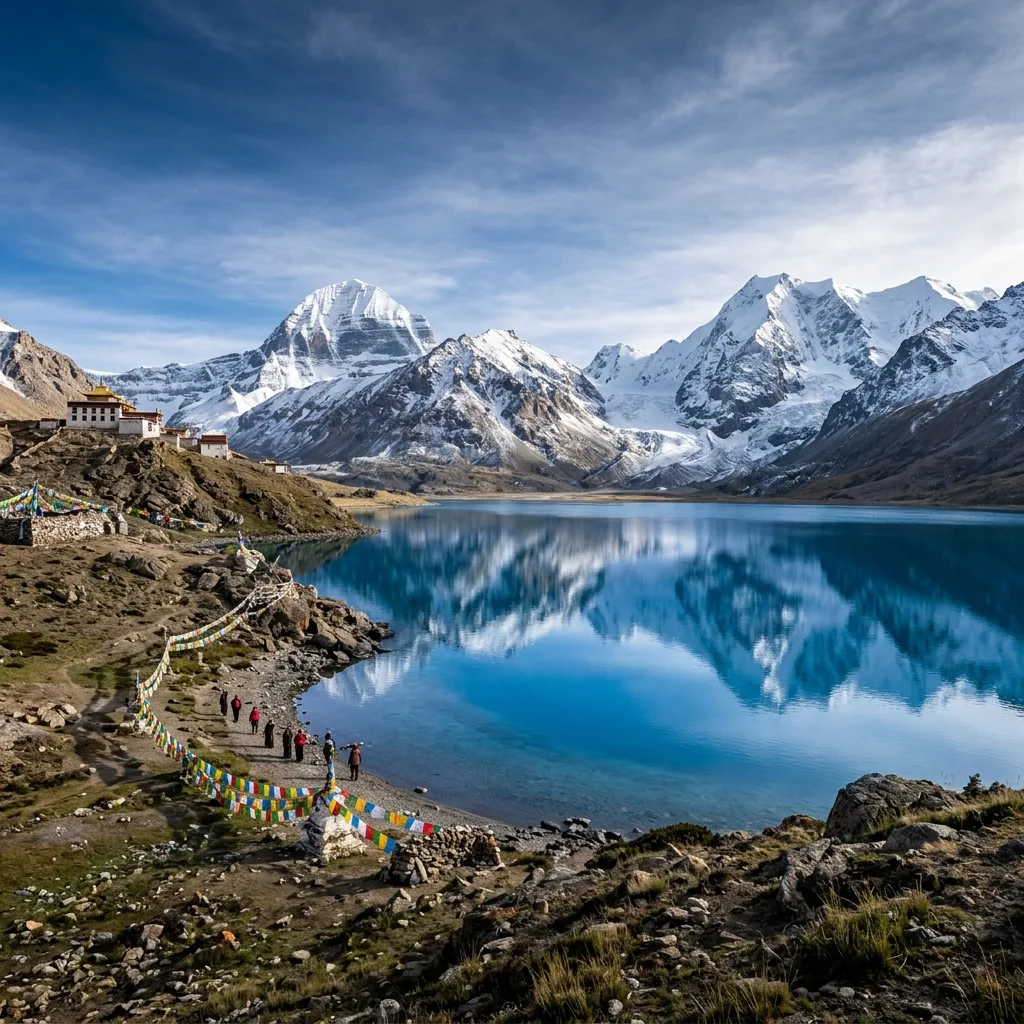
Kedarnath Temple in the Garhwal Himalayas with the Mandakini valley
How to Reach
By Air248 km
Jolly Grant Airport, Dehradun (DED)Daily flights from Delhi. ~8–9 hr road journey to Gaurikund.
By Train215 km
RishikeshNearest railhead. Haridwar (~241 km) has better national connectivity.
Tip: Best travel between May – June & Sep – OctWeather can change quickly in the Himalayas. Carry proper clothing.
Location Map
Shri Kedarnath Temple, Uttarakhand Himalayas
Accommodation
Stay options near Kedarnath
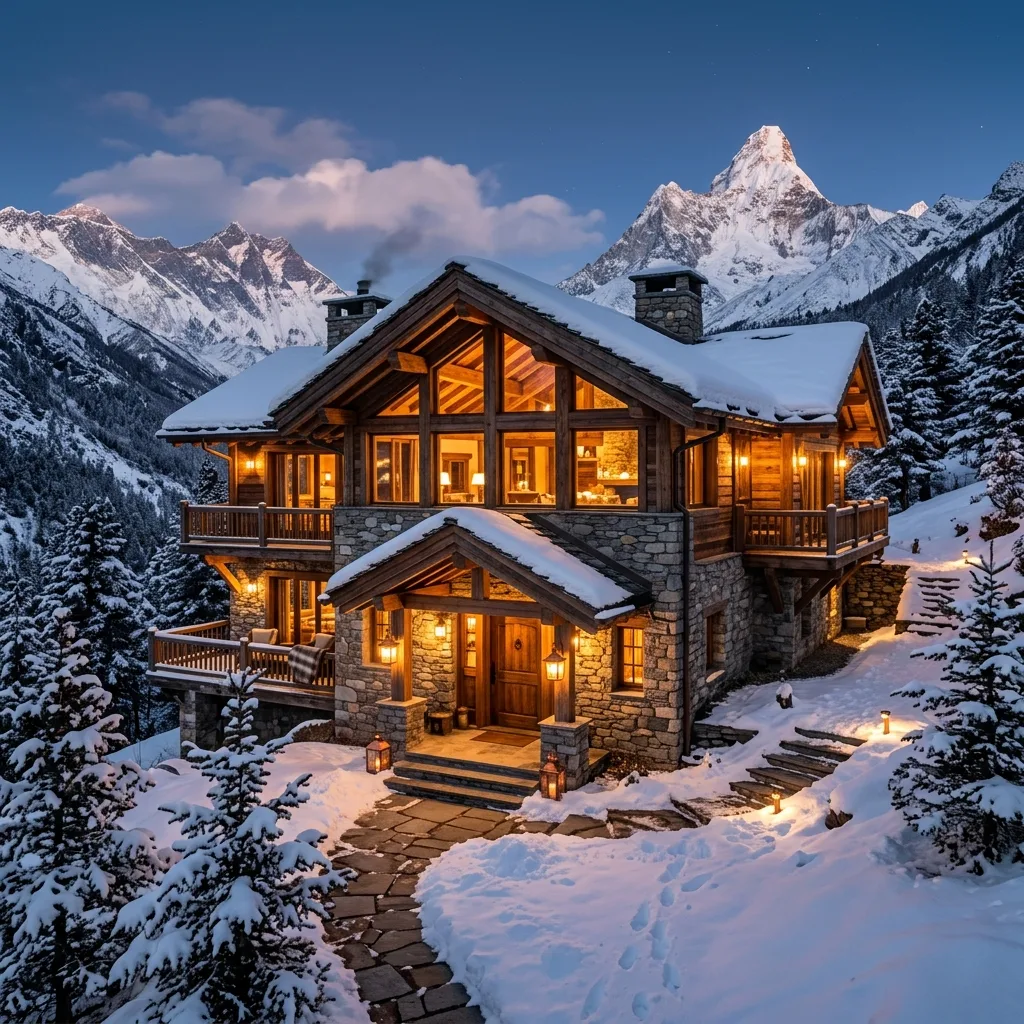
Book 2–3 months in advance for peak season (May–June, Sep–Oct)
Nearby Places
Explore sacred places around Kedarnath
🛕Bhairavnath Temple
1.5 km🛕Vasuki Tal
8 km🛕Chorabari Lake
9 km🛕Triyuginarayan Temple
35 km