Composing…
Sacred Yatra
Kailash Mansarovar Yatra
कैलाश मानसरोवर यात्रा
To Verify
LocationTo Verify
ॐ
DeityLord Shiva (Mount Kailash)
Darshan TimingsTiming updates in progress
EntryPaid entry
Before You Go
Practical temple planning
Plan darshan, source checks, and puja help without assuming unofficial bookings or guaranteed access.
Darshan planning
Verify same-day timings
Temple hours can change on festival days, aarti windows, and crowd-control days.
Official source
Source review needed
This profile uses available directory data; confirm booking and seva details locally before travel.
Temple contact
Contact not confirmed
PujaKit does not claim official temple affiliation; use official/public temple channels where available.
Pilgrim Context
Kailash Mansarovar Yatra is a Hindu sacred place in To Verify, connected with Lord Shiva (Mount Kailash). As a yatra profile, the page is best used for understanding the pilgrimage route, devotional intent, seasonality, and practical preparation before travel.
Central Hindu legend: After the churning of the cosmic ocean (Samudra Manthan), Shiva consumed the Halahala poison to save the universe, turning his throat blue (giving him the name Neelakantha). Retreating to Kailash, he entered into deep meditation. Parvati, daughter of the Himalayas, performed intense tapas to win Shiva's love and become his consort. The couple's abode on Kailash is described as a paradise of eternal bliss. Another legend: Ravana (king of Lanka) performed extraordinary penance at Raksha Tal (adjacent to Mansarovar), cutting off his own heads as offerings to Shiva to gain divine weapons. Impressed, Shiva granted Ravana the boon of invincibility. The epic Ramayana begins with Ravana's power rooted in this boon from Kailash.
Before travel, confirm current darshan hours, festival crowd rules, photography restrictions, and any paid seva or queue arrangements from official temple or local administration sources.
A useful visit plan begins with the darshan window, then works backward through route, footwear and bag rules, offering guidelines, queue options, and local transport from To Verify. For older shrines and high-crowd temples, early morning and non-festival weekdays usually give devotees more time for quiet prayer.
For devotional preparation, visitors can keep the practice simple: learn the main deity's name, carry only permitted offerings, observe modest dress, and close the visit with a short mantra, pradakshina, or dana where appropriate. This keeps temple travel connected to sadhana rather than only sightseeing.
Festival Focus
Check local temple calendars for annual utsav, vrata, and peak darshan days.
Darshan Notes
Confirm current darshan timings, entry rules, and seva availability before visiting.
Need help arranging a puja?
Share your city, preferred date, and ritual need. PujaKit will confirm availability, samagri, pricing, and terms before any booking is finalized.
Visit Essentials
Best Time to VisitMay – June & Sep – Oct
AltitudeNear Sea Level
🛕
Temple Status / SeasonMay (Akshaya Tritiya) – Nov
Best ExperienceEarly morning for peaceful darshan
Architecture & Highlights
Highlights
Architectural highlights details updating.
Gallery

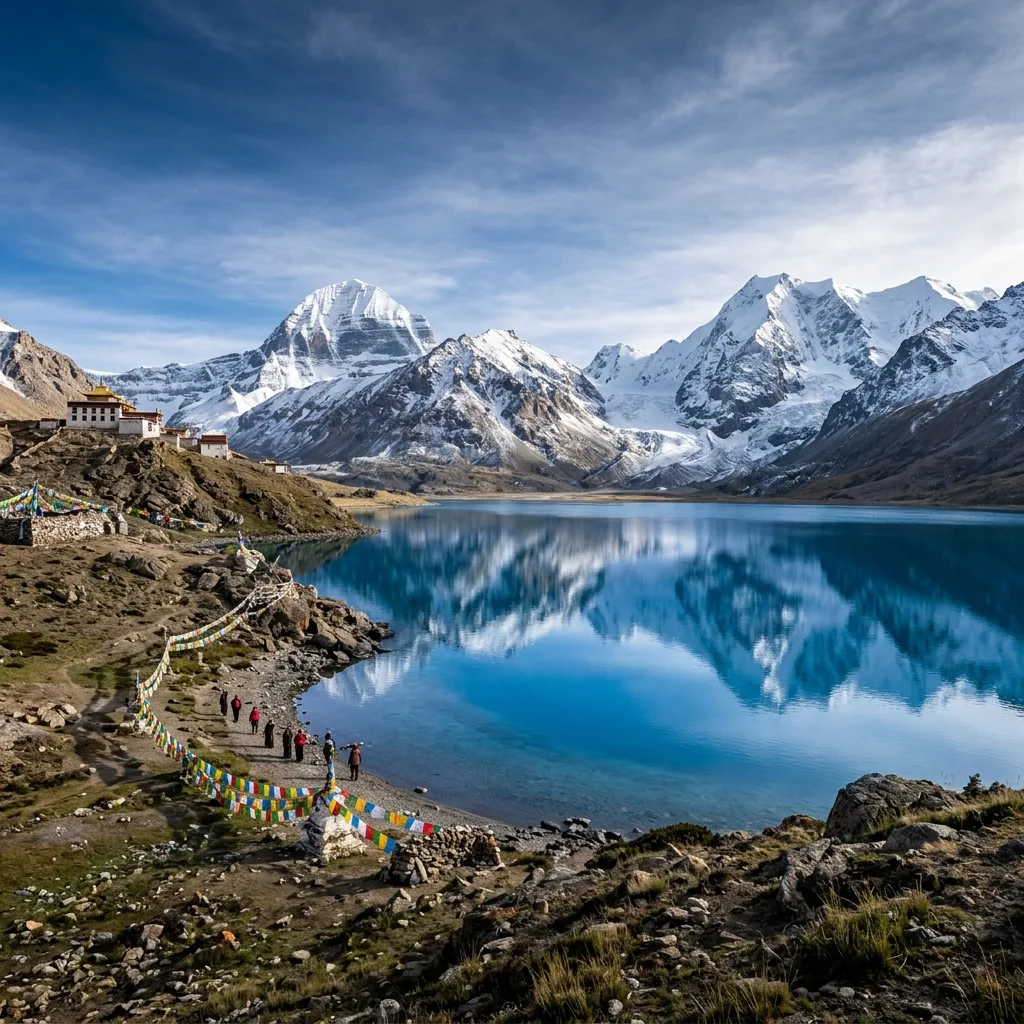
North face of Mount Kailash — the iconic view from Dirapuk during the Parikrama
How to Reach
Tip: Best travel between May – June & Sep – OctWeather can change quickly in the Himalayas. Carry proper clothing.
Location Map
Kailash Mansarovar Yatra, To Verify Himalayas
Location coordinates updating.
Accommodation
Stay options near

Comfortable dharamshalas, hotel rooms, and ashram stays are available surrounding the temple zone. It is highly recommended to book stays at least 2–3 months in advance during peak season.
Nearby Places
Explore sacred places around
🛕Local Market
1.2 km🛕Sacred Water Tank
0.5 km🛕Sunset Viewpoint
2.4 km🛕Divine Museum
3.1 km