Composing…
State Temple
Shri Gorakhnath Math, Gorakhpur
श्री गोरखनाथ मठ, गोरखपुर
Gorakhpur, Uttar Pradesh
LocationUttar Pradesh
ॐ
DeityShri Guru Gorakhnath (founder-saint of the Nath Sampradaya; siddha yogi)
Darshan TimingsTiming updates in progress
EntryFree entry
Before You Go
Practical temple planning
Plan darshan, source checks, and puja help without assuming unofficial bookings or guaranteed access.
Darshan planning
Verify same-day timings
Temple hours can change on festival days, aarti windows, and crowd-control days.
Check sourceOfficial source
Use official links first
Use the temple or trust website before paying for seva, rooms, helicopter tickets, or special darshan.
Open official siteTemple contact
Shri Gorakhnath Mandir Trust
Listed contact: +91-551-2255453. Use it for current queue, entry, and seva questions.
Significance
The Gorakhnath Math is the supreme centre of the **Nath Sampradaya** (also called Goraksha Panth or Nath-Yogi tradition) — one of medieval India's most influential Hindu monastic orders. The tradition emphasises: 1. **Hatha Yoga**: The Nath siddhas systematised Hatha Yoga; the foundational text **Hatha Yoga Pradipika** (15th c. CE by Svatmarama) is rooted in Nath tradition. 2. **Siddhi (Spiritual Powers)**: Nath siddhas pursue advanced kundalini awakening, pranayama, and meditation practices believed to confer supernatural powers. 3. **Anti-caste / Inclusive**: The Nath tradition explicitly admits seekers of all castes and communities; many famous Nath siddhas were from low-caste or non-Hindu backgrounds. 4. **Pan-Indian Reach**: Nath maths exist across India (Hinglaj in Pakistan, Tryambakeshwar, Pashupatinath in Nepal, Kadri in Karnataka, etc.). The Gorakhpur math is the principal seat. 5. **Ear-Pierced Sannyasis**: Distinctive Nath ascetics wear large ear-rings (kundal) — pierced in the cartilage rather than lobe. This is the visual marker of an initiated Nath sannyasi.
“
नमामीशमीशान निर्वाणरूपं विभुं व्यापकं ब्रह्म वेदस्वरूपम्।
— आदि शंकराचार्य
Pilgrim Context
Shri Gorakhnath Math, Gorakhpur is a Hindu sacred place in Gorakhpur, Gorakhpur, Uttar Pradesh, connected with Shri Guru Gorakhnath (founder-saint of the Nath Sampradaya; siddha yogi). The temple belongs to the Shaiva stream of worship, where abhisheka, bilva offering, mantra japa, and evening aarti are central parts of the devotional rhythm.
**Guru Gorakhnath (~11th–12th c. CE):** A legendary saint and yogi who reformed and systematised Hindu yogic practice. His historical dates are debated (estimates range from 9th to 12th centuries CE), but most scholars place him in the late 11th to mid-12th century. He was a disciple of Matsyendranath (Adi Guru of the Nath Sampradaya). Gorakhnath is credited with major texts including Goraksha Samhita, Goraksha Paddhati, and Siddha Siddhanta Paddhati. **Pre-Modern History:** Gorakhpur city is named after the saint. The Math has existed in various forms for centuries; the city served as a Nath stronghold during the medieval period. The Math witnessed periods of Mughal interference and recovery. **British Era:** Mahant Digvijay Nath (1894–1969) modernised the Math, founded a college (Gorakhpur University evolved from his initiatives), and started Maharana Pratap Education Council. He was active in the Independence movement and later in Hindu politics. **20th Century Mahants:** - Mahant Digvijay Nath (1935–1969): Modernised institutions - Mahant Avaidyanath (1969–2014): Long political career; MP from Gorakhpur multiple times; founded the Hindu Mahasabha local unit and was active in the Ram Janmabhoomi movement - Yogi Adityanath / Ajay Singh Bisht (2014–present): Took diksha from Avaidyanath in 1994; appointed Mahant September 2014; CM of UP since March 2017 **Khichdi Mela:** The annual Khichdi Mela held on Makar Sankranti (14 January) is one of UP's largest religious gatherings. Pilgrims offer rice, lentils, and other ingredients (later cooked into khichdi for distribution) at the Math. The mela attendance often exceeds 10–15 lakh on Makar Sankranti day alone.
Major observances connected with this profile include Khichdi Mela / Makar Sankranti (14 January (every year)), Maha Shivaratri (February–March), Guru Gorakhnath Jayanti (Variable (sources differ; some place it on Kartik Purnima, others on different dates)), Holi / Phag Mela (March). During these periods, devotees should expect heavier crowds, longer queues, and a stronger emphasis on aarti, utsav, and local temple customs.
A useful visit plan begins with the darshan window, then works backward through route, footwear and bag rules, offering guidelines, queue options, and local transport from Gorakhpur. For older shrines and high-crowd temples, early morning and non-festival weekdays usually give devotees more time for quiet prayer.
For devotional preparation, visitors can keep the practice simple: learn the main deity's name, carry only permitted offerings, observe modest dress, and close the visit with a short mantra, pradakshina, or dana where appropriate. This keeps temple travel connected to sadhana rather than only sightseeing.
Festival Focus
- Khichdi Mela / Makar Sankranti (14 January (every year))
- Maha Shivaratri (February–March)
- Guru Gorakhnath Jayanti (Variable (sources differ; some place it on Kartik Purnima, others on different dates))
- Holi / Phag Mela (March)
Darshan Notes
Confirm current darshan timings, entry rules, and seva availability before visiting.
Source-backed guide
Official sources first
Need help arranging a puja?
Share your city, preferred date, and ritual need. PujaKit will confirm availability, samagri, pricing, and terms before any booking is finalized.
Visit Essentials
Best Time to VisitOctober – March
Altitude84 m (276 ft)
🛕
Temple Status / SeasonOpen Year-round
Best ExperienceEvening Aarti & lighting
Architecture & Highlights
StyleModern reconstruction in traditional North Indian style; main shikhara temple atop a multi-storey podium; expansive 52-acre compound
MaterialReinforced concrete with marble cladding (modern construction)
Highlights
Architectural highlights details updating.
Gallery

Gorakhnath Mandir, Gorakhpur — main shikhara
How to Reach
By Air km
()
By Train3 km
Gorakhpur JunctionMajor North Eastern Railway junction; world's longest railway platform (1,366 m, completed 2013). Direct connections to Delhi, Kolkata, Mumbai, Lucknow, Patna, and most major Indian cities.
Tip: Best travel between October – MarchWeather can change quickly in the Himalayas. Carry proper clothing.
Location Map
Shri Gorakhnath Math, Gorakhpur, Uttar Pradesh
Accommodation
Stay options near Gorakhpur
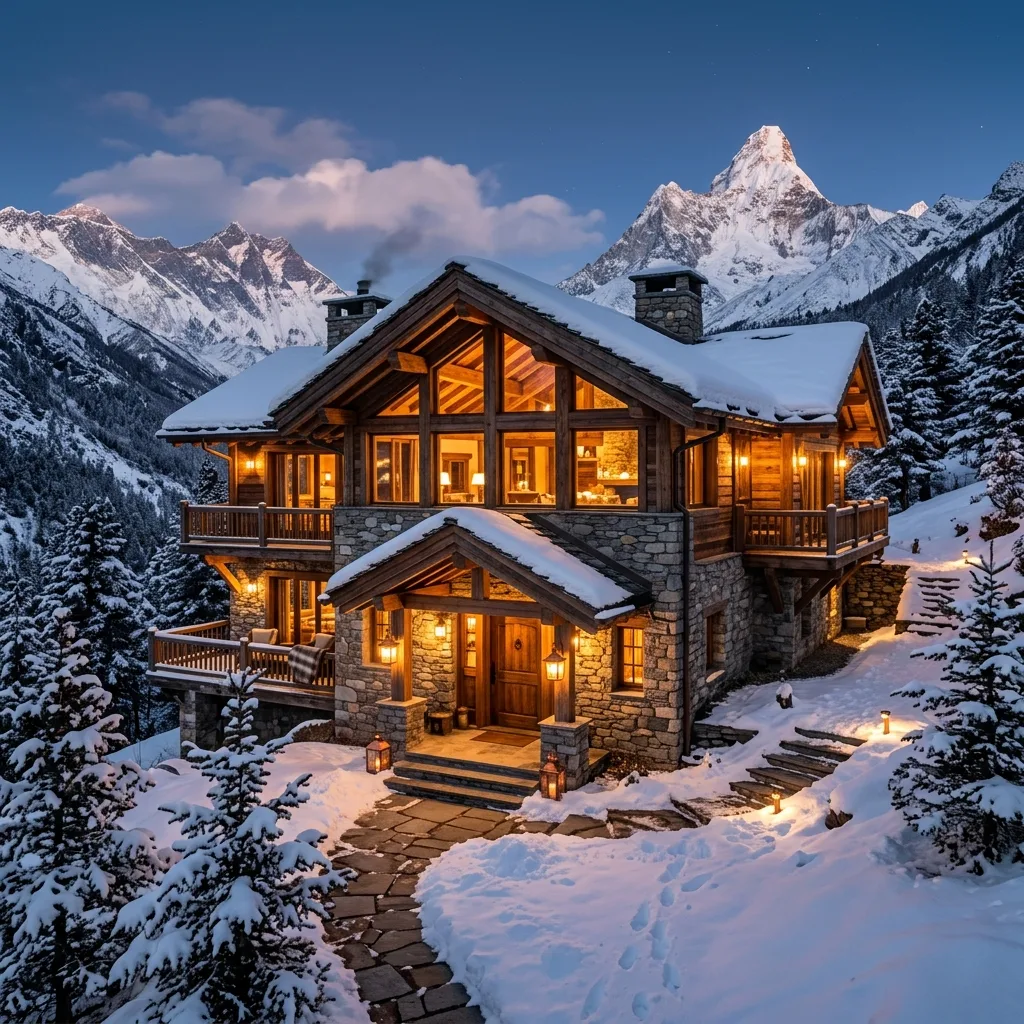
Comfortable dharamshalas, hotel rooms, and ashram stays are available surrounding the temple zone. It is highly recommended to book stays at least 2–3 months in advance during peak season.
Nearby Places
Explore sacred places around Gorakhpur
🛕Local Market
1.2 km🛕Sacred Water Tank
0.5 km🛕Sunset Viewpoint
2.4 km🛕Divine Museum
3.1 km