
Composing…
Stotra · Smriti · Vaishnava
Vishnu Sahasranama
विष्णुसहस्रनाम
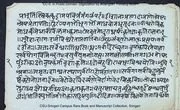
StotraSmritiVaishnava
- Author
- Vyasa (from Mahabharata)
- Period
- c. 400 BCE – 400 CE
- Length
- 1,000 names of Vishnu · 107 shlokas
- Language
- Sanskrit, Hindi
vishnunamesstotrabhishmaprotectionsahasranama
Where to Buy
Gita Press
Hindi₹60
About This Book
About
The Vishnu Sahasranama ('Thousand Names of Vishnu') is a hymn containing 1,000 names of Vishnu, embedded in the Mahabharata's Anushasana Parva. According to the narrative, the dying Bhishma recites these names to Yudhishthira at Krishna's instruction, as the supreme remedy for all suffering. Each name encodes a quality, aspect, or activity of Vishnu/Krishna.
Significance
The Vishnu Sahasranama is one of the most widely chanted sacred texts in the Vaishnava tradition, recited daily in homes and temples across India. Adi Shankaracharya wrote a famous commentary interpreting many names from an Advaita perspective. Madhvacharya also commented on it from a Dvaita perspective. The text is considered both a prayer and a mantra — its recitation is said to purify karma and grant liberation.
Key Themes
- Sahasra-nama: The thousand names as a complete description of the divine in its infinite aspects.
- Nama-japa: The transformative practice of repetition of divine names.
- Stuti: Praise of the Lord as both devotional practice and philosophical statement.
- Sarvavyapti: Vishnu as the all-pervading substratum of existence.
- Phalashruti: The benefits of recitation described at the end — a window into how the tradition understands the text.
Reading Guidance
Editions: Gita Press (Sanskrit with Hindi meaning), Swami Chinmayananda's commentary. Approach: Learn the pronunciation first; ideally memorise the entire text. Even understanding a few names daily transforms practice.
Summary & Tradition Context
Vishnu Sahasranama is a smriti stotra text in the Vaishnava tradition. It is listed here with language, period, author attribution, editions, related texts, and tradition context.
The composition period is given as c. 400 BCE – 400 CE. The text length is listed as 1,000 names of Vishnu · 107 shlokas. The traditional or listed author is Vyasa (from Mahabharata).
Key Teachings & Themes
vishnu
This theme helps place Vishnu Sahasranama within Hindu study, practice, commentary, and related texts.
names
This theme helps place Vishnu Sahasranama within Hindu study, practice, commentary, and related texts.
stotra
This theme helps place Vishnu Sahasranama within Hindu study, practice, commentary, and related texts.
bhishma
This theme helps place Vishnu Sahasranama within Hindu study, practice, commentary, and related texts.
protection
This theme helps place Vishnu Sahasranama within Hindu study, practice, commentary, and related texts.
References
- data/corpus/sahasranama/vishnu/vishnu-sahasranama.json
- https://sanskritdocuments.org/doc_vishhnu/vishnusahasranAmastotra.html
- https://www.britannica.com/topic/Mahabharata