
Composing…
Stotra · Smriti · Shaiva
Ganesha Sahasranama
गणेश सहस्रनाम
StotraSmritiShaiva
- Author
- Traditional
- Period
- c. 9th century CE
- Length
- 1000 names of Ganesha
- Language
- Sanskrit
ganeshasahasranamaauspicious
Where to Buy
Gita Press
English
About This Book
About
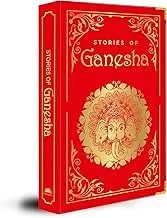
The Ganesha Sahasranama (गणेश सहस्रनाम) is a sacred stotra (devotional hymn or prayer) from the tradition of Sanskrit devotional literature, used for daily worship, meditation, and the invocation of divine grace, composed in the classical tradition and composed c. 9th century CE. Comprising 1000 names of Ganesha, it occupies a significant place in the Shaiva tradition.
Significance
Stotras are the devotional language of the tradition — prayer, praise, petition, and philosophical statement woven together in metrical form. This text has been recited in homes and temples for centuries, forming part of the daily spiritual life of countless devotees. Central to the Shaiva tradition, which holds Shiva as the supreme reality — simultaneously the transcendent Absolute and the personal Lord of all creation.
Key Themes
- Tradition: The text preserves and transmits the accumulated wisdom of its spiritual lineage.
- Practice: Practical guidance for spiritual seekers at various stages of the path.
- Liberation: The text ultimately points toward freedom from ignorance and suffering.
Reading Guidance
Prerequisites: None — stotras are designed for direct recitation. Approach: Memorise and recite daily; the transformative effect of stotras is through regular practice (abhyasa) rather than analytical study.
Summary & Tradition Context
Ganesha Sahasranama is a smriti stotra text in the Shaiva tradition. It is listed here with language, period, author attribution, editions, related texts, and tradition context.
The composition period is given as c. 9th century CE. The text length is listed as 1000 names of Ganesha. The traditional or listed author is Traditional.
Key Teachings & Themes
ganesha
This theme helps place Ganesha Sahasranama within Hindu study, practice, commentary, and related texts.
sahasranama
This theme helps place Ganesha Sahasranama within Hindu study, practice, commentary, and related texts.
auspicious
This theme helps place Ganesha Sahasranama within Hindu study, practice, commentary, and related texts.