Composing…
Upaniṣad · Shruti · Advaita Vedanta
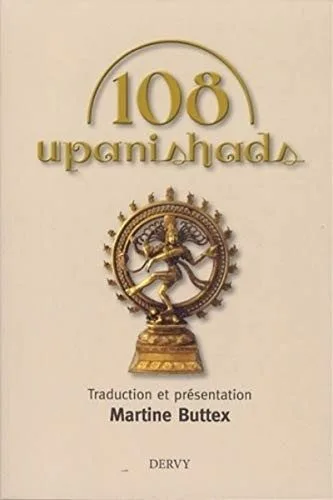
108 Upanishads (Collected)
१०८ उपनिषद्
UpaniṣadShrutiAdvaita Vedanta
- Author
- Various Rishis
- Period
- c. 800 BCE – 1500 CE
- Length
- 108 texts, principal to minor Upanishads
- Language
- Sanskrit, Hindi
upanishadcollectedadvaitavedantaomnibus
Where to Buy
Gita Press
Hindi₹1275
About This Book
About
The 108 Upanishads (Collected) (१०८ उपनिषद्) is one of the Upanishads — the concluding philosophical portion of the Vedas, constituting the basis of Vedantic philosophy and the direct inquiry into the nature of the Self and Brahman, attributed to Various Rishis and composed c. 800 BCE – 1500 CE. Comprising 108 texts, principal to minor Upanishads, it occupies a significant place in the Advaita Vedanta tradition.
Significance
The Upanishads are the crown of the Vedic tradition — the 'forest books' in which seekers withdrew from ritual to ask the deepest questions: Who am I? What is Brahman? What survives death? This text participates in that ancient inquiry, offering its unique perspective on the nature of the Self and the path to liberation. A cornerstone text of Advaita Vedanta — the non-dual philosophy of Adi Shankaracharya, which asserts the ultimate identity of Atman and Brahman.
Key Themes
- Advaita (Non-duality): The philosophical position that Atman and Brahman are identical — there is only one consciousness.
Reading Guidance
Prerequisites: None for major Upanishads — good translations make them accessible. For minor ones, some Vedantic background helps. Best editions: Swami Gambhirananda (Advaita Ashrama), Patrick Olivelle (Oxford, scholarly), Eknath Easwaran (accessible). Approach: Sit quietly and read slowly — these texts are designed for contemplation, not speed-reading.
Summary & Tradition Context
108 Upanishads (Collected) is a shruti upaniṣad text in the Advaita Vedanta tradition. It is listed here with language, period, author attribution, editions, related texts, and tradition context.
The composition period is given as c. 800 BCE – 1500 CE. The text length is listed as 108 texts, principal to minor Upanishads. The traditional or listed author is Various Rishis.
Key Teachings & Themes
upanishad
This theme helps place 108 Upanishads (Collected) within Hindu study, practice, commentary, and related texts.
collected
This theme helps place 108 Upanishads (Collected) within Hindu study, practice, commentary, and related texts.
advaita
This theme helps place 108 Upanishads (Collected) within Hindu study, practice, commentary, and related texts.
vedanta
This theme helps place 108 Upanishads (Collected) within Hindu study, practice, commentary, and related texts.
omnibus
This theme helps place 108 Upanishads (Collected) within Hindu study, practice, commentary, and related texts.
References
- https://www.britannica.com/topic/Upanishad
- https://www.britannica.com/topic/Hinduism/The-Upanishads
- https://sanskritdocuments.org/doc_upanishhat/upanishad_list.pdf