Composing…
Char Dham
Shri Yamunotri Temple
श्री यमुनोत्री मन्दिर
Yamunotri, Uttarakhand
LocationUttarakhand
ॐ
DeityGoddess Yamuna (Yamuna Devi)
Darshan Timings06:00 – 21:00
EntryFree entry
Before You Go
Practical temple planning
Plan darshan, source checks, and puja help without assuming unofficial bookings or guaranteed access.
Darshan planning
Timing notes available
Morning darshan: 06:00–12:00. Afternoon closure: 12:00–14:00. Evening darshan: 14:00–21:00. On Sundays: Opens at 05:30. No entry fee. Yatra E-Pass mandatory (free). Timings may extend during festivals and special occasions.
Check sourceOfficial source
Use official links first
Use the temple or trust website before paying for seva, rooms, helicopter tickets, or special darshan.
Open official siteTemple contact
Yamunotri Mandir Samiti (under Char Dham Devasthanam Management Board)
Listed contact: 0135-2552627. Use it for current queue, entry, and seva questions.

Significance
Yamunotri is the sacred source of the Yamuna River — India's second holiest river after the Ganges — and the seat of Goddess Yamuna in Hinduism. It is the first stop of the Uttarakhand Chota Char Dham pilgrimage circuit, where devotees begin their sacred journey. The Yamuna, daughter of the Sun god (Surya/Kalinda), is revered as a divine mother who cleanses sins; bathing in her waters or offering puja here is believed to free one from the cycle of death and rebirth.
“
सर्वमङ्गलमाङ्गल्ये शिवे सर्वार्थसाधिके। शरण्ये त्र्यम्बके गौरि नारायणि नमोऽस्तु ते॥
— देवी माहात्म्य
Pilgrim Context
Shri Yamunotri Temple is a Hindu sacred place in Yamunotri, Uttarkashi, Uttarakhand, connected with Goddess Yamuna (Yamuna Devi). As a Char Dham site, the temple is treated as a major pilgrimage stop where darshan, route planning, season, weather, and ritual discipline all shape the devotee experience.
The site has been a pilgrimage destination since antiquity; Sage Asita Muni had his hermitage here and is said to have bathed daily in both Ganga and Yamuna. The current temple was originally built in 1839 CE by Sudarshan Shah (King of Tehri Garhwal). After the structure was damaged by earthquakes and floods on multiple occasions, it was reconstructed in the late 19th century by Maharani Guleria (Gularia Devi) of Jaipur, who installed the iconic black marble idol of Goddess Yamuna. A further reconstruction was overseen by Maharaja Pratap Shah of Tehri Garhwal. The pujari duties are traditionally performed by the Uniyal family of priests, with priests also coming from Kharsali village each season. The temple has been damaged by natural disasters multiple times due to its remote high-altitude location.
Major observances connected with this profile include Kapat Opening — Akshaya Tritiya (19 April 2026): Grand ceremony; deity idol installed by priests; sacred Abhishek with milk and honey, Yamuna Jayanti / Yamuna Chhath (Mar–Apr): Birth anniversary of Goddess Yamuna; 6th day bright half of Chaitra; Kharsali village celebration, Guru Purnima (July): Pilgrims offer prayers and reverence to teachers, Ganga Dussehra (May–June): Celebrated along with Gangotri; holy dip in Surya Kund. During these periods, devotees should expect heavier crowds, longer queues, and a stronger emphasis on aarti, utsav, and local temple customs.
A useful visit plan begins with the darshan window, then works backward through route, footwear and bag rules, offering guidelines, queue options, and local transport from Yamunotri. For older shrines and high-crowd temples, early morning and non-festival weekdays usually give devotees more time for quiet prayer.
For devotional preparation, visitors can keep the practice simple: learn the main deity's name, carry only permitted offerings, observe modest dress, and close the visit with a short mantra, pradakshina, or dana where appropriate. This keeps temple travel connected to sadhana rather than only sightseeing.
Festival Focus
- Kapat Opening — Akshaya Tritiya (19 April 2026): Grand ceremony; deity idol installed by priests; sacred Abhishek with milk and honey
- Yamuna Jayanti / Yamuna Chhath (Mar–Apr): Birth anniversary of Goddess Yamuna; 6th day bright half of Chaitra; Kharsali village celebration
- Guru Purnima (July): Pilgrims offer prayers and reverence to teachers
- Ganga Dussehra (May–June): Celebrated along with Gangotri; holy dip in Surya Kund
Darshan Notes
- Balya Bhog at 06:30
- Raj Bhog at 10:00
- Madhyan Bhog at 12:00
- Morning darshan: 06:00–12:00. Afternoon closure: 12:00–14:00. Evening darshan: 14:00–21:00. On Sundays: Opens at 05:30. No entry fee. Yatra E-Pass mandatory (free). Timings may extend during festivals and special occasions.
Source-backed guide
Need help arranging a puja?
Share your city, preferred date, and ritual need. PujaKit will confirm availability, samagri, pricing, and terms before any booking is finalized.
Visit Essentials
Best Time to VisitMay – June & Sep – Oct
Altitude3,293 m (10,804 ft)
🛕
Temple Status / SeasonMay (Akshaya Tritiya) – Nov
Best ExperienceEarly morning for peaceful darshan
Architecture & Highlights
StyleNorth Indian Nagara (Himalayan variant)
MaterialGranite stone blocks sourced from surrounding mountains; yellow conical shikhara with red borders
Built By / Era1839 CE (Sudarshan Shah); reconstructed late 19th century (Maharani Guleria of Jaipur)
Highlights
- ·Black marble idol of Goddess Yamuna in the Garba Griha (sanctum sanctorum)
- ·Silver idol of Goddess Ganga alongside Yamuna in sanctum
- ·Yellow conical Nagara shikhara with bright vermillion/red borders
- ·Small patio (mandap) in front of main entrance for devotees
Gallery

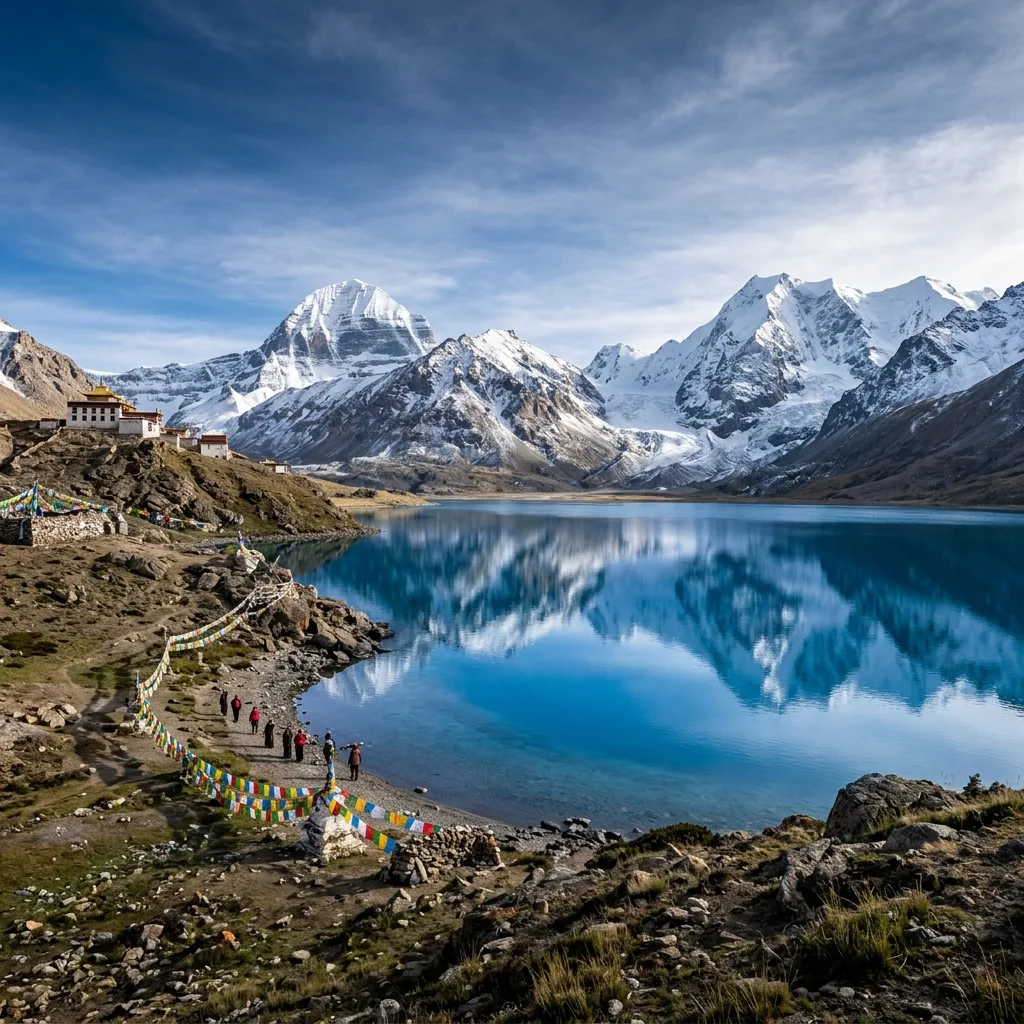
Yamunotri Temple and ashram complex in the Garhwal Himalayas
How to Reach
By Air210 km
Jolly Grant Airport, Dehradun (DED)Daily flights from Delhi. ~7–8 hr road journey to Janki Chatti. Taxi available directly from airport.
By Train170 km
DehradunDehradun railway station (170 km); Rishikesh (200 km) also used with good train connectivity from Delhi. From Rishikesh/Dehradun, take bus/taxi to Barkot then to Janki Chatti.
Tip: Best travel between May – June & Sep – OctWeather can change quickly in the Himalayas. Carry proper clothing.
Location Map
Shri Yamunotri Temple, Uttarakhand Himalayas
Accommodation
Stay options near Yamunotri

Book GMVN 2–3 months in advance for peak season (May–June and Sep–Oct). Peak dates fill within days of opening.
Nearby Places
Explore sacred places around Yamunotri
🛕Local Market
1.2 km🛕Sacred Water Tank
0.5 km🛕Sunset Viewpoint
2.4 km🛕Divine Museum
3.1 km