Composing…
State Temple
Savitri Mata Temple, Ratnagiri Hill, Pushkar
सावित्री माता मंदिर, रत्नागिरि पहाड़ी, पुष्कर
Pushkar, Rajasthan
LocationRajasthan
ॐ
DeityMaa Savitri (Brahma's first wife; in self-imposed exile after the curse)
Darshan TimingsTiming updates in progress
EntryFree entry
Before You Go
Practical temple planning
Plan darshan, source checks, and puja help without assuming unofficial bookings or guaranteed access.
Darshan planning
Verify same-day timings
Temple hours can change on festival days, aarti windows, and crowd-control days.
Check sourceOfficial source
Source review needed
This profile uses available directory data; confirm booking and seva details locally before travel.
Temple contact
Pushkar Tirth Trust
PujaKit does not claim official temple affiliation; use official/public temple channels where available.

Significance
Savitri Mata's role in Pushkar mythology is theologically significant: 1. **The original wife of Brahma**: Cosmic creative energy in feminine form 2. **Savitri Vedic Chant**: Savitri is also the mother of the Gayatri/Savitri mantra (Rig Veda 3.62.10) — the most sacred Vedic chant. Some traditions identify Savitri Mata with the personified form of this mantra 3. **Curser of Brahma temples worldwide**: The reason for the rarity of Brahma temples 4. **Symbol of pati-vrata-dharma**: A wife wronged by her husband but who chose dignified exile rather than further conflict 5. **Hilltop guardian deity**: Watches over Pushkar from Ratnagiri The walk/ropeway up Ratnagiri offers the most spectacular sunset view over Pushkar Lake — among the most photographed evening landscapes in Rajasthan.
“
सर्वमङ्गलमाङ्गल्ये शिवे सर्वार्थसाधिके। शरण्ये त्र्यम्बके गौरि नारायणि नमोऽस्तु ते॥
— देवी माहात्म्य
Pilgrim Context
Savitri Mata Temple, Ratnagiri Hill, Pushkar is a Hindu sacred place in Pushkar, Ajmer, Rajasthan, connected with Maa Savitri (Brahma's first wife; in self-imposed exile after the curse). The temple belongs to the Shakta stream of worship, where devotees seek the Mother through darshan, aarti, kumkum, vrata, and festival observances such as Navratri.
**Mythological Origin:** The temple's story is recorded in the Padma Purana, Skanda Purana, and Pushkar Mahatmya. Savitri's exile to Ratnagiri is the foundational event after Brahma's Pushkar yajna. **Pre-Modern History:** The hilltop site has been a pilgrimage destination for centuries. Successive Rajput dynasties (Kachwaha of Jaipur, Rathore of Jodhpur, Sisodia of Mewar) sponsored renovations. **Marathi Patronage (18th c.):** During the Maratha period in Rajasthan, the temple received additional patronage; current structural foundations date to this era. **Mughal Era:** The hilltop location protected the temple from Aurangzeb's iconoclasm — the difficult climb deterred organised demolition. **Modern Era:** The temple is administered by the Pushkar Tirth Trust. Pilgrim infrastructure has improved significantly in recent decades: - Step pathway widened and concretised - Drinking water booths installed every 100 m - Solar-powered emergency lighting **Pushkar Ropeway (2022):** The Pushkar Ropeway was inaugurated in 2022. It transports pilgrims from the base near Old Rangji Temple to the Savitri Temple summit in approximately 7 minutes. Ticket: ~₹130 each way. Cabins accommodate 8 pilgrims each. The ropeway has dramatically increased daily visitor numbers, particularly during off-season when steep climbs deterred elderly pilgrims.
Major observances connected with this profile include Savitri Vrat / Savitri Puja (May–June (Jyeshtha Amavasya)), Kartik Purnima Mela / Pushkar Mela (November), Brahma Jayanti (April–May (Vaishakh Shukla Pratipada)), Navratri (Chaitra and Sharad). During these periods, devotees should expect heavier crowds, longer queues, and a stronger emphasis on aarti, utsav, and local temple customs.
A useful visit plan begins with the darshan window, then works backward through route, footwear and bag rules, offering guidelines, queue options, and local transport from Pushkar. For older shrines and high-crowd temples, early morning and non-festival weekdays usually give devotees more time for quiet prayer.
For devotional preparation, visitors can keep the practice simple: learn the main deity's name, carry only permitted offerings, observe modest dress, and close the visit with a short mantra, pradakshina, or dana where appropriate. This keeps temple travel connected to sadhana rather than only sightseeing.
Festival Focus
- Savitri Vrat / Savitri Puja (May–June (Jyeshtha Amavasya))
- Kartik Purnima Mela / Pushkar Mela (November)
- Brahma Jayanti (April–May (Vaishakh Shukla Pratipada))
- Navratri (Chaitra and Sharad)
Darshan Notes
Confirm current darshan timings, entry rules, and seva availability before visiting.
Source-backed guide
Official sources first
Need help arranging a puja?
Share your city, preferred date, and ritual need. PujaKit will confirm availability, samagri, pricing, and terms before any booking is finalized.
Visit Essentials
Best Time to VisitOctober – March
Altitude750 m (2,461 ft)
🛕
Temple Status / SeasonOpen Year-round
Best ExperienceEvening Aarti & lighting
Architecture & Highlights
StyleSmall marble temple atop the hill; modest size compared to plains-level temples
MaterialWhite marble (modern reconstruction); older stone foundations
Highlights
- ·Hilltop Setting: At 750 m altitude (250 m above Pushkar town); commanding views of Pushkar Lake, the town, and the surrounding Aravalli landscape. Sunsets here are spectacular.
- ·Pushkar Ropeway (2022): 7-minute cable car ride from Old Rangji Temple area; ₹130 each way; cabins for 8 pilgrims. Operated by Damodar Ropeway Infra.
- ·700-Step Climb: Traditional pilgrimage route; ~700 steps; 45–60 min climb. Steps are concretised; drinking water booths every 100 m. Recommended for younger pilgrims and those preferring traditional approach.
- ·Savitri Murti: Stone idol of Savitri in the inner sanctum; depicted seated, with pati-vrata symbolism (married woman attire, sindoor, mangalasutra).
Gallery

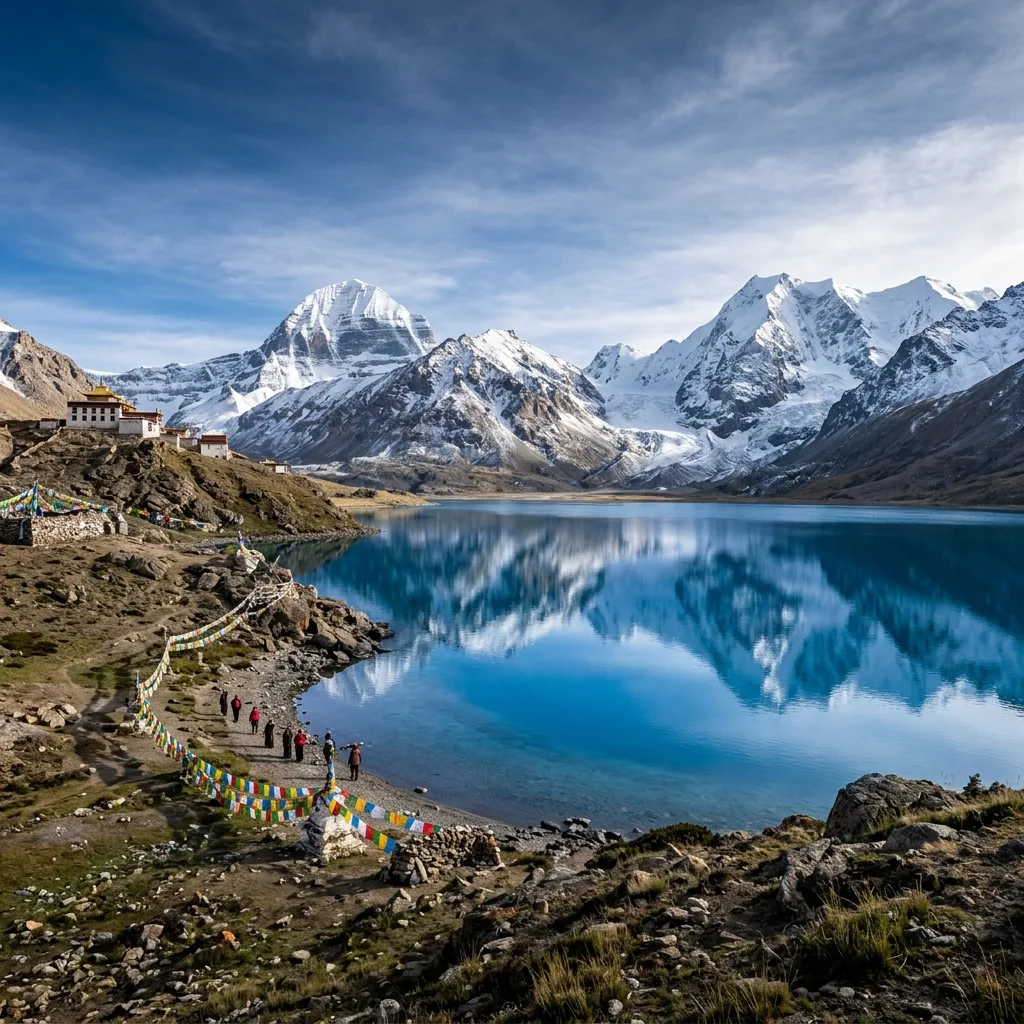
Savitri Mata Temple atop Ratnagiri Hill, Pushkar
How to Reach
By Air km
()
By Train12 km
Ajmer Junction
Tip: Best travel between October – MarchWeather can change quickly in the Himalayas. Carry proper clothing.
Location Map
Savitri Mata Temple, Ratnagiri Hill, Pushkar, Rajasthan
Accommodation
Stay options near Pushkar

Comfortable dharamshalas, hotel rooms, and ashram stays are available surrounding the temple zone. It is highly recommended to book stays at least 2–3 months in advance during peak season.
Nearby Places
Explore sacred places around Pushkar
🛕Local Market
1.2 km🛕Sacred Water Tank
0.5 km🛕Sunset Viewpoint
2.4 km🛕Divine Museum
3.1 km