Composing…
Jyotirlinga
Shree Bhimashankar Jyotirlinga Temple
श्री भीमाशंकर ज्योतिर्लिंग मंदिर
Bhimashankar, Maharashtra
LocationMaharashtra
ॐ
DeityLord Shiva (Bhimashankar)
Darshan Timings05:00 – 21:30
EntryFree entry
Before You Go
Practical temple planning
Plan darshan, source checks, and puja help without assuming unofficial bookings or guaranteed access.
Darshan planning
Timing notes available
Kakad Aarti 05:00–05:30. Darshan+Abhishek 05:30–12:00. Mahapuja 12:00–12:20. Afternoon 12:20–14:45. Sandhya break 14:45–15:20. Shringar Darshan 15:20–19:30. Shayan Aarti 19:30–20:00. Final Darshan 20:00–21:30. Extended Abhishek on Mondays, Pradosh, Shravan, Mahashivaratri until 18:00. NOTE: As of May 2026, temporarily closed for sanctum renovations — confirm reopening before visiting.
Check sourceOfficial source
Use official links first
Use the temple or trust website before paying for seva, rooms, helicopter tickets, or special darshan.
Open official siteTemple contact
Shri Bhimashankar Temple Trust
Listed contact: 02135-222880. Use it for current queue, entry, and seva questions.

Significance
Bhimashankar is the source of the Bhima River — according to legend, the river was born from Shiva's divine perspiration after his cosmic battle with the demon Tripurasura here. Set deep in the Sahyadri hills within the Bhimashankar Wildlife Sanctuary, it is also an important ecological sanctuary (home to the Giant Indian Squirrel, state animal of Maharashtra).
“
नमामीशमीशान निर्वाणरूपं विभुं व्यापकं ब्रह्म वेदस्वरूपम्।
— आदि शंकराचार्य
Pilgrim Context
Shree Bhimashankar Jyotirlinga Temple is a Hindu sacred place in Bhimashankar, Pune, Maharashtra, connected with Lord Shiva (Bhimashankar). As a Jyotirlinga, the temple belongs to the pan-Indian Shaiva circuit where devotees worship Shiva as self-manifest light and plan darshan as part of a wider sacred route.
The original temple structure dates to ~13th century CE, built in black basalt in Hemadpanthi style. Chhatrapati Shivaji Maharaj granted the village of Kharosi to the temple trust and made significant endowments. In the 18th century, Nana Phadnavis (Peshwa minister) sponsored construction of the Sabhamandap and renovated the Shikhara, giving the temple its current form. Chimaji Appa (Peshwa Bajirao I's brother) donated the large bell captured from a Portuguese church during the Battle of Vasai (1739) — it still hangs in the temple.
Major observances connected with this profile include Mahashivaratri (Feb/Mar) — most important; 5-day fair; all-night vigil; massive pilgrim footfall; extended darshan, Shravan Somvar (Jul/Aug) — every Monday in Shravan month; huge queues; extended Abhishek hours, Kartik Purnima (Nov/Dec) — temple illuminated; special Abhishek, Diwali (Oct/Nov) — special pujas. During these periods, devotees should expect heavier crowds, longer queues, and a stronger emphasis on aarti, utsav, and local temple customs.
A useful visit plan begins with the darshan window, then works backward through route, footwear and bag rules, offering guidelines, queue options, and local transport from Bhimashankar. For older shrines and high-crowd temples, early morning and non-festival weekdays usually give devotees more time for quiet prayer.
For devotional preparation, visitors can keep the practice simple: learn the main deity's name, carry only permitted offerings, observe modest dress, and close the visit with a short mantra, pradakshina, or dana where appropriate. This keeps temple travel connected to sadhana rather than only sightseeing.
Festival Focus
- Mahashivaratri (Feb/Mar) — most important; 5-day fair; all-night vigil; massive pilgrim footfall; extended darshan
- Shravan Somvar (Jul/Aug) — every Monday in Shravan month; huge queues; extended Abhishek hours
- Kartik Purnima (Nov/Dec) — temple illuminated; special Abhishek
- Diwali (Oct/Nov) — special pujas
Darshan Notes
- Kakad Aarti at 05:00
- Abhishek at 05:30
- Mahapuja / Naivedyam at 12:00
- Kakad Aarti 05:00–05:30. Darshan+Abhishek 05:30–12:00. Mahapuja 12:00–12:20. Afternoon 12:20–14:45. Sandhya break 14:45–15:20. Shringar Darshan 15:20–19:30. Shayan Aarti 19:30–20:00. Final Darshan 20:00–21:30. Extended Abhishek on Mondays, Pradosh, Shravan, Mahashivaratri until 18:00. NOTE: As of May 2026, temporarily closed for sanctum renovations — confirm reopening before visiting.
Source-backed guide
Need help arranging a puja?
Share your city, preferred date, and ritual need. PujaKit will confirm availability, samagri, pricing, and terms before any booking is finalized.
Visit Essentials
Best Time to VisitOctober – March
AltitudeNear Sea Level
🛕
Temple Status / SeasonOpen Year-round
Best ExperienceEvening Aarti & lighting
Architecture & Highlights
StyleNagara with Hemadpanthi (Deccan) influences
MaterialBlack basalt; no cement/mortar
Built By / Era~13th century CE (original); Shikhara renovated by Nana Phadnavis 18th century
Highlights
- ·Sabhamandap (assembly hall) built by Nana Phadnavis (18th century)
- ·Portuguese church bell donated by Chimaji Appa (1739); still hanging in temple
- ·Shrines to Parvati, Hanuman, Durga, Kalbhairav within complex
- ·Buddhist-style sculptures present (reflects mixed regional heritage)
Gallery

Bhimashankar Temple in the Sahyadri forest
How to Reach
By Air110 km
Pune International Airport (PNQ)~3–4 hrs by road
By Train115 km
Pune JunctionMost practical; 3–4 hrs by road. MSRTC direct buses from Shivajinagar Bus Stand, Pune.
By Road~242 km
Pune → Nashik Phata/Kasarwadi → Chakan → Rajgurunagar → Manchar (~65 km) → Ghodegaon → Bhimashankar. MSRTC buses from Shivajinagar, Pune (5:30 AM onwards, every 30–60 min; fare ₹185; ~3–3.5 hrs). Taxi from Pune: ₹2,500–₹4,000 one-way.
Tip: Best travel between October – MarchWeather can change quickly in the Himalayas. Carry proper clothing.
Location Map
Shree Bhimashankar Jyotirlinga Temple, Maharashtra
Accommodation
Stay options near Bhimashankar
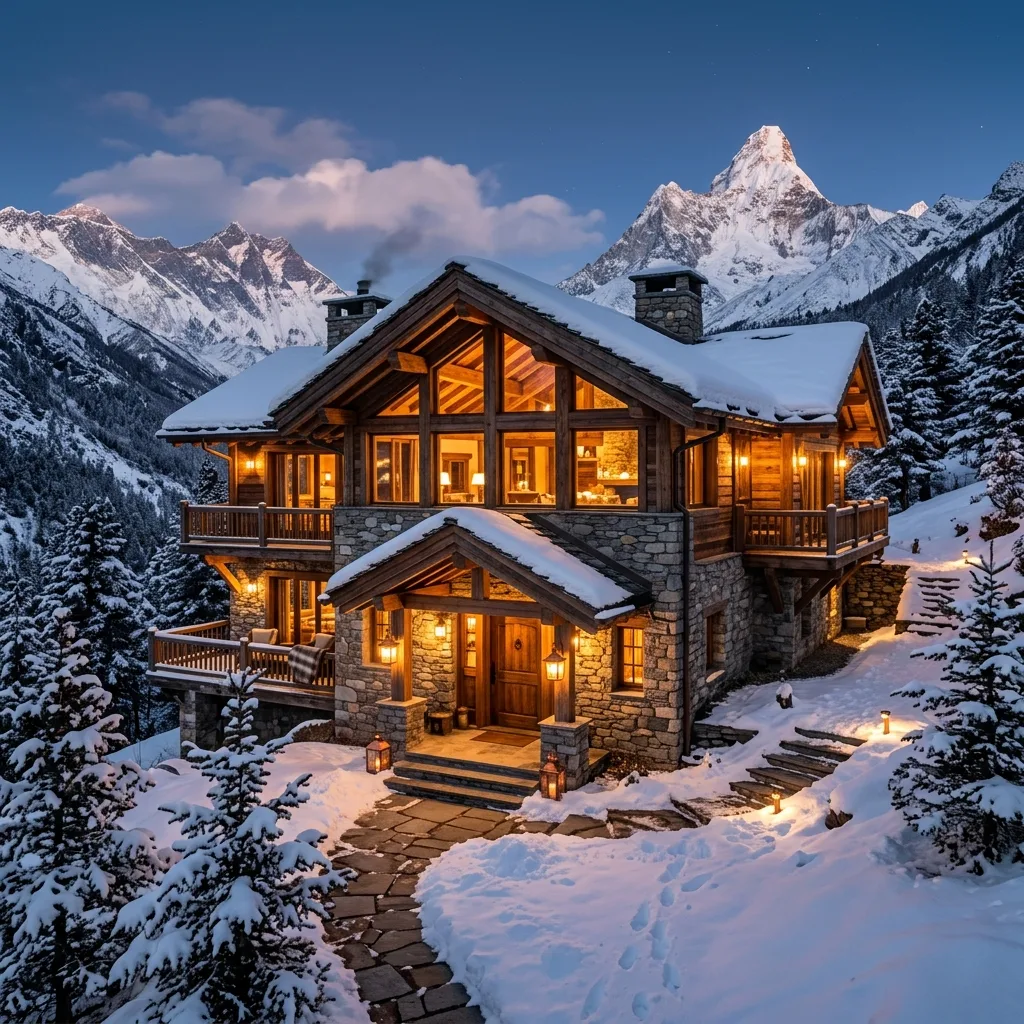
Comfortable dharamshalas, hotel rooms, and ashram stays are available surrounding the temple zone. It is highly recommended to book stays at least 2–3 months in advance during peak season.
Nearby Places
Explore sacred places around Bhimashankar
🛕Local Market
1.2 km🛕Sacred Water Tank
0.5 km🛕Sunset Viewpoint
2.4 km🛕Divine Museum
3.1 km