Composing…
Jyotirlinga
Vaidyanath Temple (Baba Baidyanath Dham)
श्री वैद्यनाथ ज्योतिर्लिंग मन्दिर
Deoghar, Jharkhand
LocationJharkhand
ॐ
DeityLord Shiva (Vaidyanath / Baidyanath)
Darshan Timings04:00 – 21:00
EntryFree entry
Before You Go
Practical temple planning
Plan darshan, source checks, and puja help without assuming unofficial bookings or guaranteed access.
Darshan planning
Timing notes available
Temple doors (kapat) open at 04:00. Morning darshan 05:00–14:00 (some sources say until 15:30). Afternoon closure approximately 14:00–18:00 for ritual preparations. Evening darshan 18:00–21:00. Temple closes at 21:00 (some sources say 20:00). During Shravani Mela (Shravan month) doors open earlier; pilgrims begin queuing before 04:00. During Mahashivratri: continuous darshan, extended hours.
Check sourceOfficial source
Use official links first
Use the temple or trust website before paying for seva, rooms, helicopter tickets, or special darshan.
Open official siteTemple contact
Baba Baidyanath Mandir (Temple Administration)
PujaKit does not claim official temple affiliation; use official/public temple channels where available.

Significance
Vaidyanath Jyotirlinga is the ninth of twelve sacred Jyotirlingas. Unlike most Jyotirlingas, this site is also one of the 51 Shakti Peethas — an extremely rare dual status, making it spiritually unique in all of Hinduism. Devotees believe that sincere prayer here fulfills all wishes (Kamna Lingam — the wish-fulfilling Shiva). The town of Deoghar means "Abode of the Gods" in Sanskrit. The temple draws millions annually during the Shravani Mela making it host to one of the largest religious gatherings in India.
“
नमामीशमीशान निर्वाणरूपं विभुं व्यापकं ब्रह्म वेदस्वरूपम्।
— आदि शंकराचार्य
Pilgrim Context
Vaidyanath Temple (Baba Baidyanath Dham) is a Hindu sacred place in Deoghar, Deoghar, Jharkhand, connected with Lord Shiva (Vaidyanath / Baidyanath). As a Jyotirlinga, the temple belongs to the pan-Indian Shaiva circuit where devotees worship Shiva as self-manifest light and plan darshan as part of a wider sacred route.
The temple's origins are lost in antiquity; references appear in the Shiva Purana and Skanda Purana. The front portion of the main temple is attributed to Raja Puran Mal of the Gidhaur (Giddhour) royal family, whose ancestor founded the state in 1266 CE. A later inscription records construction/renovation work in 1596 CE. After the Battle of Plassey (1757), British administrators became involved with the temple's management; the first English collector of Birbhum, Mr. Keating, eventually transferred full administrative control to the high priest (Mahant) in 1788. The temple complex has undergone multiple renovations but retains its classical Nagara architectural character.
Major observances connected with this profile include Shravani Mela, Mahashivratri, Basant Panchami, Navratri. During these periods, devotees should expect heavier crowds, longer queues, and a stronger emphasis on aarti, utsav, and local temple customs.
A useful visit plan begins with the darshan window, then works backward through route, footwear and bag rules, offering guidelines, queue options, and local transport from Deoghar. For older shrines and high-crowd temples, early morning and non-festival weekdays usually give devotees more time for quiet prayer.
For devotional preparation, visitors can keep the practice simple: learn the main deity's name, carry only permitted offerings, observe modest dress, and close the visit with a short mantra, pradakshina, or dana where appropriate. This keeps temple travel connected to sadhana rather than only sightseeing.
Festival Focus
- Shravani Mela
- Mahashivratri
- Basant Panchami
- Navratri
Darshan Notes
- Kapat Khulna (Temple Opening) at 04:00
- Vishesh / Kakad Aarti (Mangala) at 04:30
- Snan / Abhishekam at 05:05–05:30
- Temple doors (kapat) open at 04:00. Morning darshan 05:00–14:00 (some sources say until 15:30). Afternoon closure approximately 14:00–18:00 for ritual preparations. Evening darshan 18:00–21:00. Temple closes at 21:00 (some sources say 20:00). During Shravani Mela (Shravan month) doors open earlier; pilgrims begin queuing before 04:00. During Mahashivratri: continuous darshan, extended hours.
Source-backed guide
Official sources first
Need help arranging a puja?
Share your city, preferred date, and ritual need. PujaKit will confirm availability, samagri, pricing, and terms before any booking is finalized.
Visit Essentials
Best Time to VisitOctober – March
AltitudeNear Sea Level
🛕
Temple Status / SeasonOpen Year-round
Best ExperienceEvening Aarti & lighting
Architecture & Highlights
StyleNagara (also described as Kalinga-Nagara / Late Gupta Period)
Highlights
- ·The entire main temple is said to be built from a single monolithic rock — an architectural rarity
- ·Lingam bears the mark of Ravana's thumb press (still visible)
- ·Red flag (Dhwaja) atop the shikhara — changed annually by the Mahant
- ·Pilgrims pour Ganges water (brought barefoot from Sultanganj) directly on the Jyotirlinga
Gallery

Baba Baidyanath Temple main shikhara, Deoghar
How to Reach
By Air9 km
Deoghar Airport (also Sahib Ganj Airport) (DEP)Operational since 2022. Flights to Delhi (Indigo/Air India), Mumbai, Bengaluru, Kolkata. Rapidly expanding connectivity.
By Train7 km
Jasidih Junction (JSME)Well-connected. Serves Vande Bharat Express, Rajdhani Express, and multiple daily trains. Jasidih is the primary access point. Auto-rickshaws and taxis available to Deoghar.
By Road~242 km
NH-114 connects Deoghar to major cities. JNRT buses from Patna (6–7h), Ranchi (6h), Dhanbad (3h), Bhagalpur (2h). Private buses and shared taxis also available. Auto-rickshaws and cycle-rickshaws within Deoghar city are the primary local transport.
Tip: Best travel between October – MarchWeather can change quickly in the Himalayas. Carry proper clothing.
Location Map
Vaidyanath Temple (Baba Baidyanath Dham), Jharkhand
Accommodation
Stay options near Deoghar
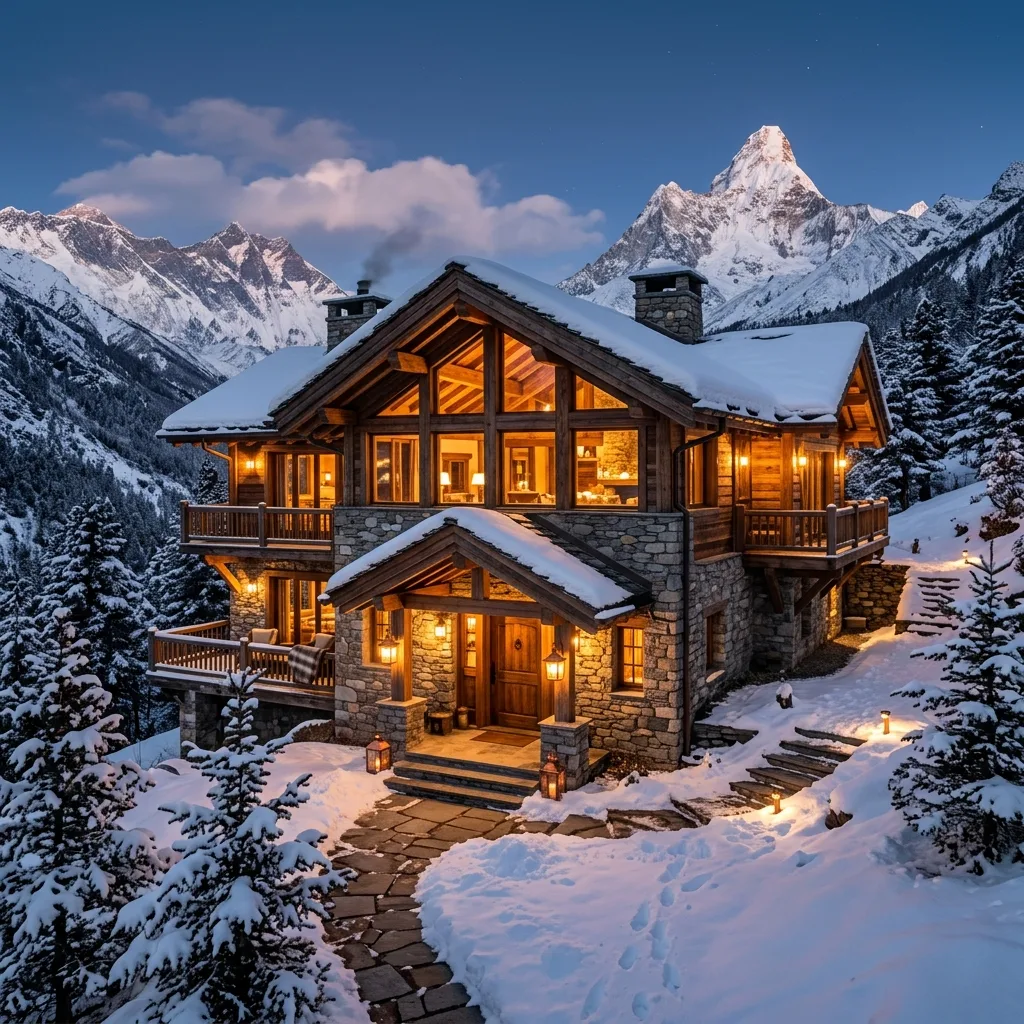
Comfortable dharamshalas, hotel rooms, and ashram stays are available surrounding the temple zone. It is highly recommended to book stays at least 2–3 months in advance during peak season.
Nearby Places
Explore sacred places around Deoghar
🛕Local Market
1.2 km🛕Sacred Water Tank
0.5 km🛕Sunset Viewpoint
2.4 km🛕Divine Museum
3.1 km